Subscribers Only Content
High resolution image downloads are available to subscribers only.
Not a subscriber? Try one of the following options:
OUR SERVICES VISIT CAGLE.COMFREE TRIAL
Get A Free 30 Day Trial.
No Obligation. No Automatic Rebilling. No Risk.
The New York Times made a quiet disclosure recently that speaks loudly about the state of news media today.
Its newsletter, “The Morning,” has reached over 17 million circulation, which the paper says is one the largest daily audiences in any form of journalism across all platforms.
Let’s process that. A free news summary sent by email – similar to missives now offered 24/7 by most publishers – has found the journalistic sweet spot for a vast number of readers. It prompted the Times’s media writer, Ben Smith, to tweet: “So many news organizations gradually realize we are, in varying degrees, email newsletter publishers with websites.”
That’s a clever turn of phrase, but is he right? Some readers will always want depth and will click – or pick up the paper – for the full story. But as newsletters become more detailed, while consumers’ time and attention scatter, elements of the news business will change or be forced out.
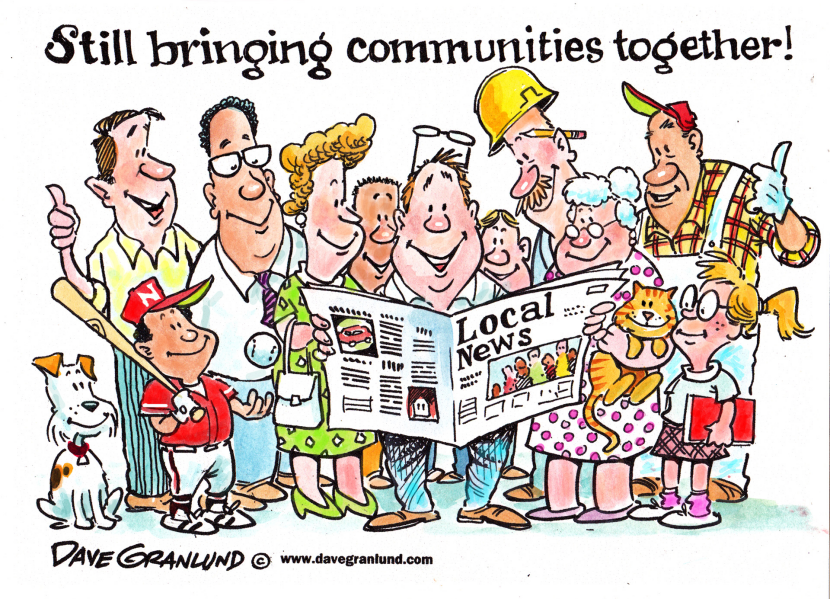
I still get six newspapers delivered to my driveway each morning. I stick with them because I enjoy holding a paper in my hands and scanning the printed pages; also, because I wish to support the efforts of publishers, both locally and nationally. I think most newspaper websites have yet to figure out the best way to display stories online, so while traveling I prefer to read the replica e-editions of daily papers.
Lately, though, I find that the best newsletters bridge the gap between digest and detail – while jumping over print. Before even taking rubber bands off the papers, I sit at my kitchen table, with coffee, cereal and laptop. My inbox contains more than two dozen newsletters that arrived overnight since I read Brian Stelter’s “Reliable Sources” report from CNN before bed.
Ironically, while the purpose of newsletters is to encapsulate and streamline content, the combined volume of multiple daily subscriptions can be overwhelming. For many of us it has changed our daily routine and the way we consume news.
The newsletter boom is creating marketing challenges for publishers similar to what they faced decades ago when deciding whether online content should be free or paid. The Washington Post offers a surprisingly detailed newsletter called “The Daily 202” in the morning and “The 5-Minute Fix” in the afternoon – both for free, to draw readers into the digital tent. The Wall Street Journal has seen its paid subscriptions rise significantly, something the paper’s CMO Suzi Watford attributes to the Journal’s growing array of newsletters.
The Times has made perhaps the biggest push into newsletters, recently giving one of its most skilled journalists, David Leonhardt, the task of writing “The Morning,” assisted by his own small staff of writers. It has been expanded – delivering not just headlines and teasers, but as much detail as, say, an hourly newscast on NPR.
It’s been clear for some time that many printed newspapers are fading. We’ve assumed that publishers were victims of forces outside their direct control: cable-TV, internet, social media and, of course, readers’ changing habits. What if publishers’ own newsletters deliver the final blow to ink-on-newsprint?
Funny thing: When Ben Smith quipped that his bosses had become “email newsletter publishers with websites” he never even bothered to mention that, for now, they also print newspapers.
–
A list of Peter Funt’s upcoming live appearances is available at www.CandidCamera.com.
Peter Funt is a writer and speaker. His book, “Cautiously Optimistic,” is available at Amazon.com and CandidCamera.com. © 2020 Peter Funt. Columns distributed exclusively by Cagle Cartoons, Inc., newspaper syndicate.
